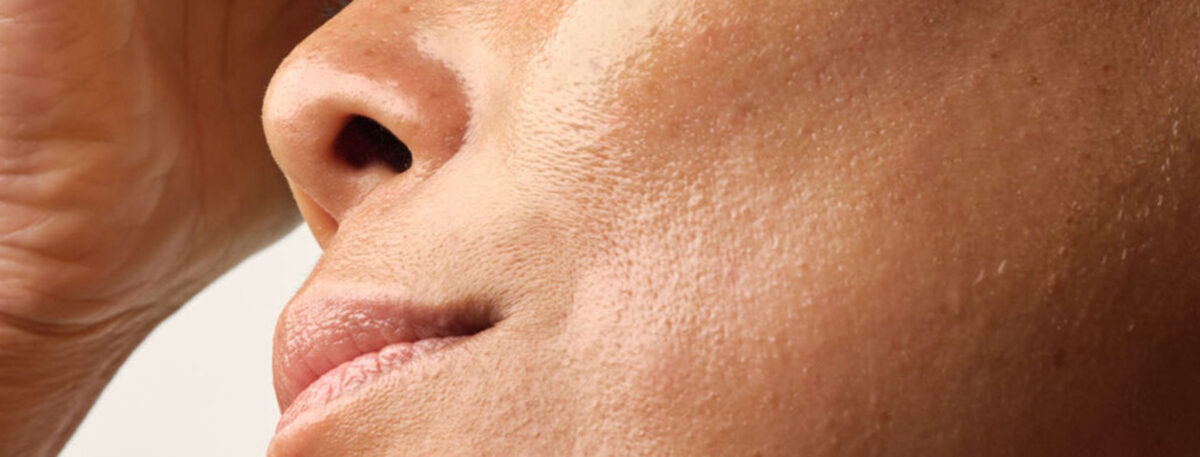

Dark circles under the eyes can show up as blue, purple, brown, or even almost black, depending on your skin tone. While they’re usually harmless, they can make you look more tired or older than you feel, which is why so many people want to know how to treat dark circles.
These dark circles are rarely a sign of a serious medical issue. They’re more common in certain groups:
- older adults
- people with a family history of dark circles
- those with naturally darker skin tones
Because the skin around the eyes is among the thinnest on the body, anything happening beneath the surface–such as visible blood vessels, pigment, or volume changes–tends to show through more easily. Understanding what causes your dark circles is the first step toward finding the right combination of skincare and lifestyle habits to help soften their appearance.
What Actually Causes Dark Circles?
When people ask what causes under eye circles, they’re often dealing with one of two main cosmetic types. Pigmentation and vascularity.
“Pigmented dark circles under the eyes can appear brown because of excess melanin” says Dr. Toral, a board-certified dermatologist, while “Vascular under eye circles tend to have a bluish-purple hue due to thin under-eye skin, making the underlying blood vessels more visible.”
Diving in Deeper into Pigmentation vs Vascularity
Pigmentation appears as a brown or blue-brown hue under the eyes. In this case, the skin in the under-eye area simply produces more melanin than usual. Excess melanin can build up due to sun exposure, but it may also be linked to inflammatory conditions, allergies, or even a reaction to certain skincare products.
Pigmentation-related dark circles have a few telltale signs: the discoloration looks the same even when you gently stretch the skin, and it doesn’t fade when you press or massage the area. Because UV rays trigger melanin production, consistent sun protection is essential to help minimize this type of darkness over time.
Vascularity shows up as a blue, purple, or reddish hue under the eyes (depending on your skin tone). In this case, the skin is thin and more translucent, so the underlying blood vessels are easier to see. A simple way to tell: when you gently stretch the skin, the darkness fades or looks less visible. These circles often look worse in the morning, when you’re tired or after a long day.
Vascular dark circles can be influenced by several factors:
- Natural aging: As skin thins with age, blood vessels under the eyes become more visible.
- Poor circulation: Sluggish blood flow can cause blood to pool under the eyes, creating a bluish tint.
- Sleep deprivation: Lack of sleep dilates blood vessels, making them appear darker through thin under-eye skin.
- Dehydration: When you’re dehydrated, veins can look more noticeable.
- Allergies or congestion: These can cause blood vessels to swell, so they show through the skin even more.
Additionally, a third cause of under eye circles is structural rather than cosmetic: shadowing from volume loss.
As we age–or due to genetics–we naturally lose fat and collagen under the eyes, which can create a hollow or groove. When light hits this area, it casts a shadow that mimics a dark circle, even if there’s no excess pigment or prominent blood vessels.
Because this is a structural issue, topical products have limited impact. Creams and serums can support skin quality and smoothness, but they can’t replace lost volume or fully erase shadowing.
Best Ingredients for Reducing Dark Circles
Not all dark circles respond to the same remedies, which is why choosing the right ingredients matters. Once you understand what’s causing your dark circles, you target them more effectively with proven ingredients. Dr. Toral says that “vitamin C and peptides are two ingredients that can improve the appearance of under-eye skin,” both great to add into skincare routines based on your needs. “Vitamin C targets discoloration (excess pigment), while peptides can help reduce fine lines and improve skin elasticity by promoting collagen production” she adds, however, they’re not the only ingredients that can help treat dark circles.
Vitamin C
When you’re looking for remedies for under eye circles, Vitamin C is one of the best ingredients to consider, especially if pigmentation is a main cause. As a brightening antioxidant, Vitamin C can help lighten dark circles when they’re linked to excess melanin. It does this in part by inhibiting tyrosinase, an enzyme involved in melanin production. This helps reduce the formation of dark spots and hyper pigmentation over time.
Vitamin C also provides antioxidant protection by neutralizing free radicals that can speed up visible skin aging. It supports collagen production, helping the under-eye area maintain elasticity and firmness. With consistent use, this can lead to smoother, slightly plumper-looking skin under the eyes, which may soften the appearance of shadows.
Caffeine
Caffeine is another ingredient to consider for dark circle treatment. It’s especially helpful if your main concerns are puffiness or bluish, vascular shadows. In caffeine-based eye creams, this ingredient acts as a mild vasoconstrictor, helping to temporarily narrow blood vessels under the skin. This can make visible vessels look less prominent and reduce fluid-related swelling, so the under-eye area appears smoother and more awake.
While caffeine won’t address pigment-driven circles, it can be a helpful part of treatment for dark circles linked to poor circulation, tiredness, or morning puffiness.
Retinoids and Peptides
Retinoids and peptides are two other heavy hitters to consider when exploring the best treatment for under eye circles, especially if thinning skin and fine lines are part of the picture.
Retinoids, which are derived from Vitamin A, gently boost cell turnover and stimulate collagen production over time. This can help thicken the delicate under-eye skin, making underlying vessels and shadows less visible. Because this area is so sensitive, it’s best to start with a low-strength formula just a few nights a week, apply only along the bony orbital area (never on the lids or right at the lash line), and always pair with daily SPF.
Peptides work alongside retinoids by signaling the skin to build more collagen and elastin, supporting firmness and resilience under the eyes. They tend to be well tolerated by most skin types and can be a great option for anyone who’s sensitive to retinoids but still wants to support a smoother, firmer under-eye area. Used consistently–and often as part of a routine that also includes Vitamin C and sun protection–retinoids and peptides can help remove the appearance of under eye circles.
Lifestyle Habits to Support Your Under-Eye Routine
Topical products work best as dark circle treatments when they’re supported by healthy daily habits. One of the most important remedies for under eye circles–no matter their cause–is consistent sun protection.
Use at least SPF 30 around the eye area every morning to help prevent dark circles from worsening, especially if pigmentation is a factor. As the last step in your eye routine, gently dab sunscreen or an eye moisturizer with SPF around the eyes using your ring finger, and don’t forget the eyelids. Daily SPF can help protect against UV-triggered melanin production, which may make pigment-related circles more noticeable over time.
Beyond sun protection, simple lifestyle shifts can also support the best treatment for dark circles. Aim for 7-9 hours of sleep each night, limit alcohol, and avoid tobacco, all of which can contribute to dull, tired-looking skin and more prominent shadows. Try to moderate salty foods, which can lead to fluid retention and swelling under the eyes. Finally, be gentle with the area: avoid rubbing your eyes and handle the skin with care to preserve its elasticity and minimize irritation.
When to Consider In-Office Treatments for Dark Circles
While skincare and lifestyle shifts can go a long way, there are times when dark circles call for more than at-home care. From Dr. Toral’s experience, “when dark circles are caused by volume loss, that’s when I guide patients toward in-office options such as fillers or energy-based devices.” In those cases, dermatologists look at a few specific signs to decide whether in-office treatments might be a better fit, however you should always refer to your dermatologist when seeking non-topical advice.
If you’re ready to take a more targeted approach to dark circles, the next step is matching your cleansers, serums, and moisturizers to the specific causes.
For a skincare routine that reflects your skin type, lifestyle, and under-eye concerns, start with an online consultation. From there, you can build a simple, customized under-eye regimen with formulas and ingredients chosen just for you, so you can focus on keeping your eye area looking bright, smooth, and refreshed.
Frequently Asked Questions:
Do dark circles ever go away completely with just cream?
It depends on what’s causing the dark circles. If your dark circles are mostly due to pigmentation or mild thinning of the skin, consistent use of targeted eye products (like those with Vitamin C, retinoids, peptides, or caffeine) can noticeably brighten and soften their appearance. But if your circles are largely from structural issues, such as volume loss or deep hollows, topicals have limits.
Is it safe to use retinol on the under-eye area?
Yes, you can use retinol under your eyes, but it’s important to be gentle. Choose a low-strength formula and monitor for any signs of irritation. Apply it with your ring finger along the bony orbital area–the bony ridge around your eye socket–avoiding the eyelids and the skin right along the lower lash line. If you use retinol, make sure to also use SPF, as retinol can make you more sensitive to the sun.
Why do my dark circles look worse when I’m tired?
Lack of sleep can make dark circles more noticeable for a few reasons. When you’re tired, blood vessels under the eyes can dilate and circulation can slow, which makes bluish or purplish tones show through thin under-eye skin more clearly. Fatigue can also lead to mild puffiness and fluid retention, creating shadows that exaggerate any existing darkness.
Can diet or water intake affect under-eye appearance?
Yes, dehydration can make dark circles look more pronounced, while staying well-hydrated helps keep the under-eye area plump and smooth. A high-salt diet can also contribute to fluid imbalance and puffiness, so it’s worth moderating salty foods. Finally, eating plenty of vitamin C-rich foods (such as citrus, berries, and leafy greens) supports collagen production and overall skin health, which can improve how your under-eyes look.
References
-
https://pmc.ncbi.nlm.nih.gov/articles/PMC12283051/
-
https://www.instyle.com/vitamin-c-for-dark-circles-5392832
-
https://pmc.ncbi.nlm.nih.gov/articles/PMC4756872/
-
https://pmc.ncbi.nlm.nih.gov/articles/PMC2699641/