
When it comes to taking care of your hair, understanding what it needs from your hair care products is just as important as how you apply them.
To help you find the right products and custom formulas for your hair, this article will explore the differences between hair hydration vs moisture while providing you with helpful tips you can use to maximize your hair’s health and reap all the benefits from your hair care routine.
Hair Hydration vs Moisture: What’s the Difference?
To understand how to hydrate hair properly, you first need to know the difference between these two seemingly similar but very different terms.
Hydration refers to water entering the inner layers of the hair (also known as the cortex). Hair lacking hydration feels dry, brittle, and may break easily. To counteract this, hydrating products, like water-based leave-in sprays or hydrating masks, replenish moisture from within, improving elasticity and softness.
Meanwhile, moisturization refers to the lipid or oil content of the hair when the outer layer of the hair (the cuticle) is sealed to retain moisture in the hair. Hair moisturizers, like creams, butters, or oils, can help prevent this by forming a protective layer that keeps hair smooth and reduces frizz.
Without knowing the difference between hydration vs moisture, hair products can be misused. You might overuse oils on dehydrated hair, which can weigh it down without actually restoring water content, or hydrate your hair without sealing it, leading to quick moisture loss.
Understanding hair hydration vs moisture helps you balance both and ensure your hair is soft, elastic, strong, manageable, and healthy.
What Causes Dry Hair? Internal & External Factors Explained
Hair dryness can also be mistaken for a lack of moisture or hydration, when it’s in fact a routine issue you can easily avoid. Understanding how to prevent dry hair in the first place is therefore just as important as knowing how to moisturize hair or how to hydrate hair.
Common causes of dry hair to avoid or mitigate include:
- Heat styling – Frequent use of flat irons, curling wands, and blow dryers can strip your hair of its natural oils and weaken the cuticle, leaving your strands dry, brittle, and prone to breakage. Using heat protectants as well as reducing the temperature and frequency can help.
- Hard water – Minerals like calcium and magnesium in hard water can accumulate on hair, making it feel dry and rough while dulling natural shine. Clarifying shampoos or filtered water can reduce this effect.
- Over washing – Washing hair too often removes natural oils that keep your hair moisturized, especially for curly or textured hair. Spacing washes and using gentle, sulfate-free shampoos can help retain your hair’s moisture.
- Lack of hydration or protein – Hair needs both water and protein to maintain elasticity and strength. Imbalances—either dehydration or protein deficiency—can cause breakage, frizz, and dullness. Regular hair treatments with custom formulas can help restore this balance.
- Climate and environmental issues – Exposure to sun, wind, low humidity, or cold weather can deplete moisture from hair, leading to dryness and split ends. Protective hairstyles, hats, or UV protection can minimize this damage.
- Product build-up – Heavy styling products, silicones, or leave-ins can accumulate on hair over time, preventing moisture from penetrating the hair and leaving strands feeling dry. Regular clarifying treatments or gentle cleansing can help restore the right balance.
Top Tips for How to Hydrate Dry Hair and How to Moisturize Hair
Now, let’s take a look at a few practical tips about how to moisturize dry hair and/or hydrate it at home
Tip #1: Deep Cleanse | How Product Build-Up Affects Hydration & Moisture
Product build-up from styling products, silicones, or heavy leave-ins can coat the hair shaft, blocking water and nutrients from penetrating. This makes your hair feel dry, heavy, and unmanageable, even if you’re regularly hydrating or moisturizing.
Quick tips to counteract product build-up:
• Use a clarifying shampoo or the double wash method – This removes residue effectively without over-stripping your hair of its natural oils.
•Scalp massages and inversion – Flipping your hair upside down while massaging the scalp encourages circulation, helps distribute natural oils, and promotes better absorption of water and treatments.
Tip #2 Hydration | How to Hydrate Hair Effectively
Hydration replenishes hair’s water content, improving elasticity and softness. Signs your hair lacks hydration include brittle strands, rough texture, frizz, and difficulty detangling.
Quick tips on how to hydrate dry hair:
- Squish to condish technique – Apply conditioner to wet hair, then scrunch upward toward the scalp to help lock in moisture.
- Use steam or a shower cap – Steam or heat opens the cuticle, allowing water and hydrating ingredients to penetrate deeper.
- Apply products to soaking wet hair – This ensures maximum absorption, keeping hair supple and hydrated for longer.
Tip #3: Moisture | How to Moisturize Hair Properly
Moisturization seals in hydration, strengthens the hair cuticle, and prevents water loss, leaving strands smooth and manageable. Proper moisturizing complements hydration to help keep your hair soft and healthy.
Quick tips on how to moisturize hair at home:
- Use finishing products – Leave-in conditioners, curl creams, or hair oils- to lock in hydration and provide a protective layer.
- Apply to damp or wet hair – This helps the product bind with water in the hair, maximizing moisture retention.
- Choose ingredients that smooth and seal the cuticle – Look for butters, oils, or silicones that coat the hair shaft, reducing frizz and preserving softness.
Do You Need Hydration or Moisturization? How to Tell the Difference
Knowing whether your hydration vs moisture for hair is key to preventing dryness, breakage, and frizz.
Hydration issues occur when hair lacks water. Signs include dry, brittle strands, stiffness, rough texture, and lack of bounce. Hydrating treatments typically include water-based leave-ins, aloe vera, glycerin, or hyaluronic acid, ingredients often found in Prose’s hydrating shampoos and conditioners.
Moisture issues happen when hair lacks oils or lipids. Your hair may feel soft but frizzy, and it may break easily. Quality moisturizing products often feature butters, oils, or shea, coconut, or avocado oils, which coat the hair and lock in hydration.
Quick tips to check the difference between hair hydration vs moisture issues:
- Stretch a strand – Brittle strands indicate dehydration. Soft but frizzy strands indicate a need for moisture.
- Observe manageability – If detangling is difficult due to stiffness, you should hydrate. If hair absorbs water quickly but frizzes, you should moisturize.
How to Maximize Results from Custom Hair Formulas
Even the best formulas require proper application for optimal results.
It’s important to apply hydrating products to soaking wet hair. Techniques like squish-to-condish, steam, or shower caps open the hair cuticle, allowing water-based ingredients and humectants (like the ones in Prose hydrating formulas) to penetrate deeply.
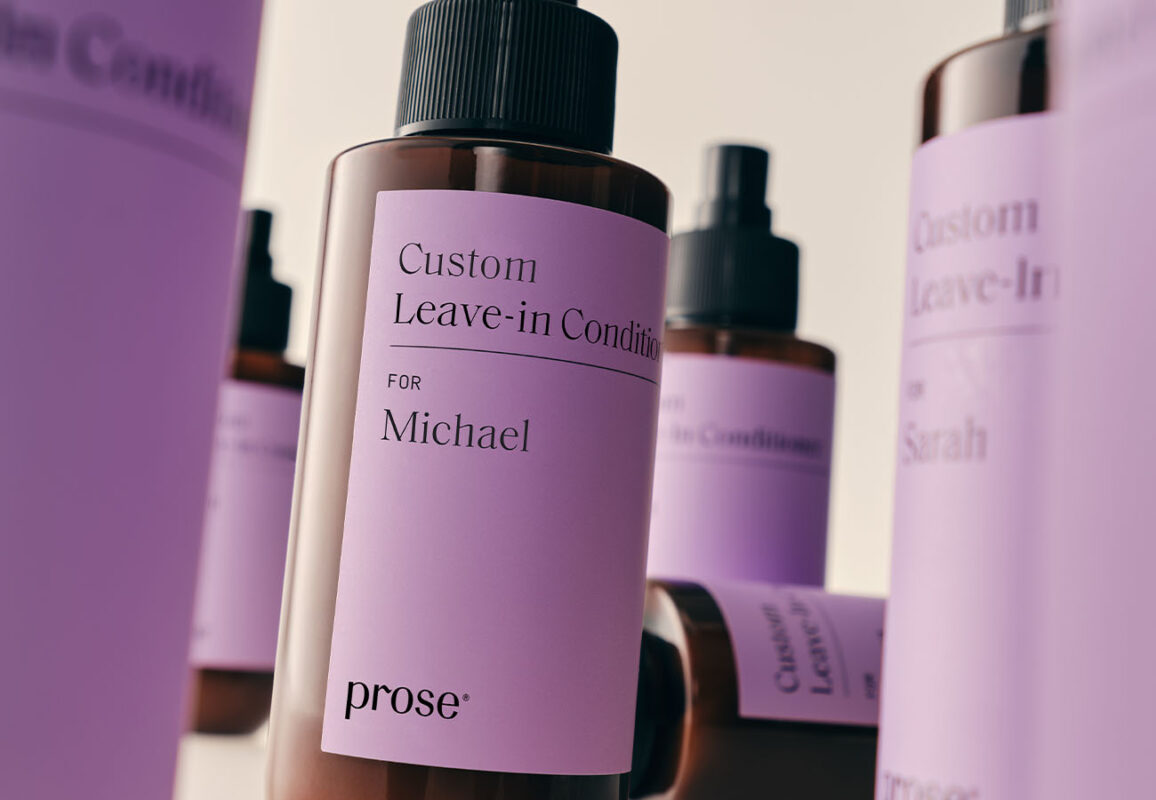
Meanwhile, moisturizing products are best used while your hair is still damp. Oils, butters, or leave-in creams help lock in hydration, smooth the cuticle, and prevent moisture loss. Prose custom formulas often combine natural oils with tailored humectants for this purpose.
No two heads of hair are exactly the same, so don’t be afraid to experiment based on your hair’s needs. Tracking how your hair responds allows you to customize the order, frequency, and combination of hair products you use for maximum softness, elasticity, and shine.
Frequently Asked Questions:
What’s the difference between hydrating and moisturizing hair?
Hydration adds water to the hair, improving elasticity and softness, while moisturizing adds oils or lipids to seal in that water and prevent moisture loss. It’s not a case of hydration vs moisture for hair — both are essential for balanced and healthy strands.
How do I know if I need moisture vs hydration for my hair?
Brittle, stiff, or rough strands usually indicate a hydration deficit, whereas hair that feels soft but frizzes or loses water quickly suggests a need for more moisture. A simple stretch or detangling test can help identify the issue at home.
What causes dry hair even after moisturizing?
Dry hair can persist if it’s dehydrated (meaning water hasn’t reached the hair shaft) or product build-up is blocking absorption. Getting the right balance of hydration and moisturization is key to addressing dry hair.
How often should I clarify my hair to remove build-up?
For most hair types, once every 2–4 weeks is sufficient; more frequent clarifying can strip natural oils, while less frequent use may allow residue to accumulate.
What are the best ways to seal moisture in curly or coily hair?
Apply your leave-in conditioner, curl cream, or hair oils on damp hair, and consider the LOC or LCO method (liquid, oil, cream) to lock in hydration and maintain softness.
Expert Review by:
Claire H-P: an Austin-based Pro here at Prose, helping customers personalize formulas they’ll fall in love with. With four years of product knowledge, she’s ready to share the best tips and tricks for your hair and skin routine. When she’s out of the office, you’ll find her exploring local parks or adventuring in West Texas.