How Often Should You Wash Your Face?
A good cleaning routine removes dirt, oils, dead skin cells, makeup and environmental debris that can clog pores or dull your skin tone. In general, you should wash your face at least twice a day, once in the morning and once in the evening.
Your morning face washing session removes oils that build up during the night. It’s especially important to wash in the morning if you’ve used any overnight facial creams, serums or moisturizers.
Adding an extra face washing session might be a good idea if you participate in athletic activities that build up a sweat, spend extra time outdoors in the heat or want to remove makeup immediately after work. If you’re traveling, you can typically maintain the same face wash and skincare routine during travel as you use at home.
Should You Wash Your Face in the Morning?
Yes, washing your face in the morning is important even if your skin feels clean when you go to bed. Overnight, your skin sheds dead cells, accumulates oils from your pillowcase, and absorbs residue from any night creams or serums you applied. A morning cleanse resets your skin before moisturizer and SPF.
Should You Wash Your Face With Hot or Cold Water?
Neither extreme is ideal. Hot water strips natural oils and can damage your skin barrier, while very cold water may not effectively dissolve dirt and cleanser. Lukewarm water is the recommended temperature, it cleanses effectively without irritating or drying out your skin.
How Long Should You Wash Your Face?
Massage your cleanser into your skin for 1–2 minutes. This gives the active ingredients time to break down surface debris, excess oil, and makeup. Rinsing too quickly reduces the effectiveness of even the best facial cleanser.
What Should You Use for Facial Cleansing?
The best facial cleanser for you depends on your skin’s specific needs. Gentle cleansers specifically designed for the face clear away unwanted debris without causing irritation or inflammation.
Oily, dry and sensitive skin all have unique requirements, and your skincare routine should take this into account. The frequency of breakouts can also be a consideration when you’re developing a skincare routine.
What Happens If You Don’t Wash Your Face?
Skipping face washing allows dirt, oil, dead skin cells, and environmental pollutants to accumulate on the skin’s surface. Over time, this buildup can clog pores, leading to blackheads, whiteheads, and breakouts. It can also dull your complexion and reduce the effectiveness of any serums or moisturizers you apply afterward.
A Step-by-Step Guide to Washing the Face
At its most basic, a face washing skincare routine involves applying a bit of cleanser and rinsing it off immediately afterward. Here’s a step-by-step guide to washing the face.
- Step 1: Remove any makeup before you start actually washing the face. Instead of harsh rubbing to get rid of stubborn makeup, use a cotton ball or cotton swab to tackle sensitive areas. Keep in mind that makeup remover isn’t a full facial wash. These products tend to leave behind a residue that requires an actual facial cleanser to remove.
- Step 2: Wet your face with lukewarm water to dampen the skin. The water shouldn’t be excessively hot or cold; either extreme could lead to skin irritation. Hot, steamy water can also break down the natural skin barrier, which could lead to flakiness or itching.
- Step 3: Choose a facial cleanser specifically designed for washing the face, avoiding bar soaps or harsh body washes that could strip away oils and alter the natural pH of your skin.
- Step 4: Consult your face wash instructions for the proper amount of facial wash to use each session. Using more could be a waste, while using too little may not provide efficient cleansing power.
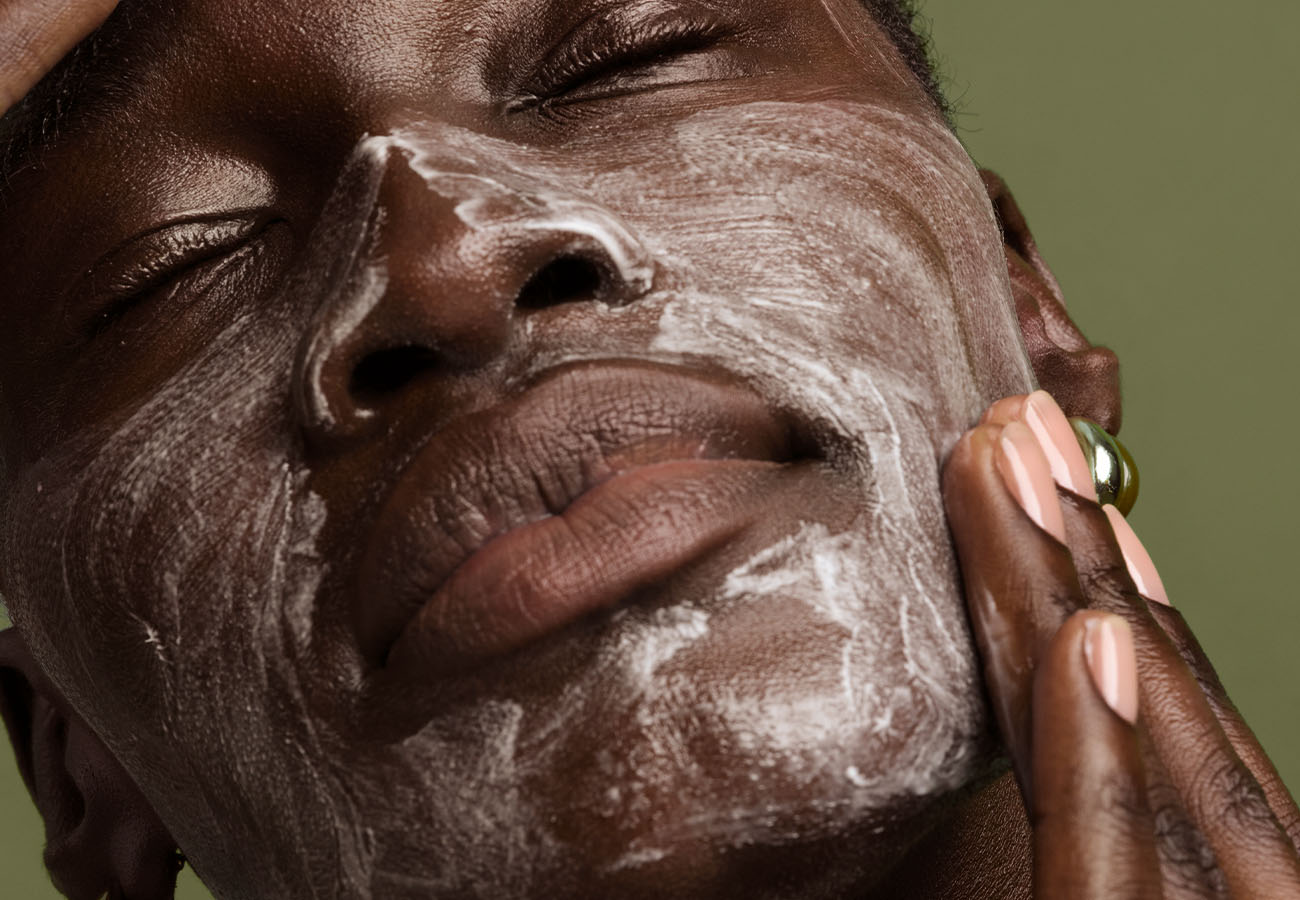
- Step 5: Use your fingertips to apply facial cleanser and spread it in gentle circular motions across your skin. Washcloths and sponges may be too harsh for delicate facial skin.
- Step 6: Massage in your facial cleanser for 1 to 2 minutes to let it work its way into pores and break down surface debris. Pay special attention to the T-zone, the area across your forehead and down the center of your face to the nose and chin. This is often the oiliest area of your face and where breakouts tend to occur most frequently.
- Step 7: Move down to your jawline and neck, massaging cleanser into these areas in addition to your face. The U-zone along the jaw and chin often gets overlooked, but debris can build up there and cause clogged pores or acne if not regularly washed.
- Step 8: Rinse away the cleanser with plain lukewarm or cold water.
- Step 9: Use a soft towel or antimicrobial cloth to pat away excess water. Avoid scrubbing to prevent irritation. Instead, let the towel soak up the moisture to prevent evaporation-related dryness.
- Step 10: Apply a custom moisturizer after washing and drying to keep your skin hydrated throughout the day or night. Putting on moisturizer while your skin is still damp from cleansing increases its effectiveness. You might also use a custom face serum, which can be applied prior to your moisturizer.
Prose custom skincare, including facial cleanser, is designed to uniquely address your skin’s specific needs. Take the Prose skincare consultation questionnaire to get your personalized recommendation for a custom face cleanser you can use every day.